

Registering a car in California is a necessary step for any new vehicle owner, yet the process can be daunting given the intricate regulations and requirements. Understanding the correct procedures ensures not only compliance with state laws but also smooth ownership experiences. This article serves as your comprehensive guide, offering expert insights on navigating the car registration journey, from gathering essential documents to the crucial DMV VIN verification step. By following these detailed steps, you’ll ensure a seamless process, leaving you with peace of mind and a validly registered vehicle.
- Prepare Necessary Documents for Car Registration
- Gather Vehicle Information: VIN Verification at DMV
- Determine Eligibility: Types of Vehicles Registered in California
- Visit a DMV Office: Step-by-Step Registration Process
- Post-Registration: Tags, Insurance, and Ongoing Maintenance Requirements
Prepare Necessary Documents for Car Registration

Registering a car in California involves several crucial steps, and one of the most important is preparing the necessary documents for car registration. This process ensures that your vehicle complies with state regulations and can be legally operated on public roads. Among these documents, verifying the Vehicle Identification Number (VIN) through the DMV or a mobile VIN inspection/verification service plays a critical role.
A valid and accurate VIN is essential as it provides unique identification for your car, enabling authorities to confirm its make, model, year, and safety features during registration. In California, the Department of Motor Vehicles (DMV) requires a VIN verification process to ensure the vehicle’s authenticity and prevent fraud or theft. Traditionally, this involved taking the vehicle to a DMV office, but with advancements in technology, mobile VIN inspection services are now readily available, offering convenience and efficiency. These services utilize specialized tools to perform a mobile VIN verifier scan, delivering instant results that can be used for registration purposes.
For instance, many mobile VIN verification companies employ online platforms where customers can simply enter their VIN or even have it scanned directly from the vehicle’s label using a smartphone app. This data is then cross-referenced against comprehensive databases to ensure its validity and accuracy. This modern approach streamlines the document preparation process, saving time for both car owners and DMV staff. Furthermore, with accurate VIN documentation in hand, you can confidently proceed with other registration requirements, ensuring a smooth and efficient transaction.
Gather Vehicle Information: VIN Verification at DMV

Before registering your car in California, you’ll need to gather essential vehicle information, including your Vehicle Identification Number (VIN). This unique 17-character code serves as a fingerprint for your vehicle and is crucial during the registration process. One of the key steps involves performing a VIN verification at the Department of Motor Vehicles (DMV), ensuring your car’s authenticity and compliance with state regulations.
The DMV vin verification process is straightforward but requires preparation. You’ll need to provide original documents, such as the title and registration certificates from the previous state if applicable. Additionally, many California residents opt for a mobile VIN inspection or verification service to save time and effort. These services send a trained professional to your location, allowing you to complete the necessary paperwork while ensuring your vehicle’s details are accurately checked against the DMV database.
During the vin inspection, the expert will cross-reference your car’s information, including the VIN, with the manufacturer’s records and California’s vehicle registry. They’ll verify key details such as the year, make, model, and engine specifications. If discrepancies are found or the vehicle has modifications that impact its original design, the inspector may require additional documentation or even request a physical inspection of the vehicle. It’s essential to cooperate fully during this process to avoid delays in your registration.
Having accurate VIN data is vital for several reasons, including ensuring proper insurance coverage and facilitating quick disaster response during emergencies. In California, where mobile vin verification services are readily available, residents can take advantage of this convenient option to streamline the registration process. By proactively gathering vehicle information and undergoing a timely VIN inspection, you’ll navigate the DMV procedures with ease and have a smooth transition for your newly registered car.
Determine Eligibility: Types of Vehicles Registered in California
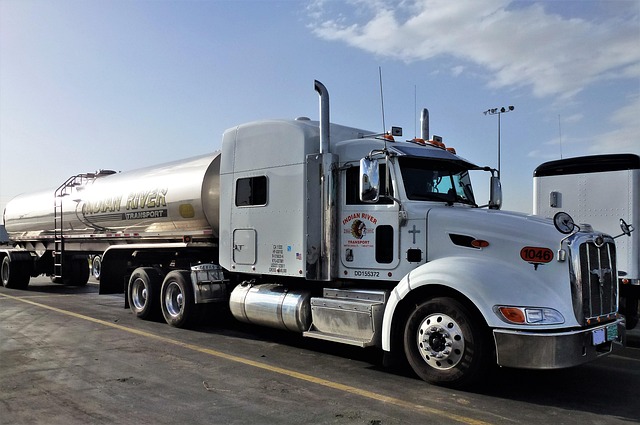
In California, determining eligibility for vehicle registration begins with understanding the types of vehicles that can be registered. The state’s Department of Motor Vehicles (DMV) allows registration for a wide range of vehicles, including cars, trucks, motorcycles, recreational vehicles (RVs), and even certain off-road vehicles. However, not all vehicles meet the criteria for registration. For instance, historical or antique vehicles over 25 years old may require additional documentation to prove their safety and roadworthiness.
One crucial aspect of eligibility is ensuring that the vehicle has a valid Vehicle Identification Number (VIN). The DMV requires a VIN inspection as part of the registration process. This can be conducted through traditional methods at a local DMV office or with a mobile vin verifier, which allows for convenient, on-site verification during the registration process. Using a mobile vin verification service can streamline the initial steps of registration, especially for out-of-state vehicles or those that have been recently imported.
It’s important to note that certain types of vehicles are explicitly excluded from registration in California. For example, vehicles used exclusively for racing on closed courses or those designed primarily for off-road use and not suitable for public roads are not eligible for state registration. Additionally, non-operable vehicles that do not possess a valid VIN or have been abandoned may be subject to different regulations and requirements.
To ensure smooth registration, prospective vehicle owners should thoroughly check their vehicle’s eligibility before proceeding. Utilizing resources like the DMV’s online guides and mobile vin inspection services can help in making this determination. By understanding these criteria, individuals can avoid potential delays or complications during the registration process.
Visit a DMV Office: Step-by-Step Registration Process

To register your car in California, you’ll need to visit a DMV (Department of Motor Vehicles) office, where our expert staff will guide you through a straightforward process. Here’s a step-by-step breakdown to ensure a smooth experience. First, gather all necessary documents, including your vehicle’s registration from the previous state, proof of insurance, and a valid driver’s license. Once at the DMV, locate the dedicated window for vehicle registration; our agents will assist you in filling out the required forms.
The core of this process involves a critical step: DMV VIN verification. The unique identifier on your car’s Vehicle Identification Number (VIN) is essential for accurate record-keeping and ensures compliance with California’s regulations. In some cases, especially if your vehicle is older or has been recently imported, you might opt for a mobile VIN inspection to save time; this service allows our technicians to verify the VIN remotely, streamlining the registration process.
Following form completion, you’ll be asked to pay the registration fee. After processing, you’ll receive your new California vehicle registration documents. It’s crucial to double-check all details for accuracy before leaving the DMV office. Remember, timely VIN inspection is not just a requirement but also a safeguard against future issues; an accurate VIN ensures your car’s history is properly documented and accessible to authorized parties when needed.
Post-Registration: Tags, Insurance, and Ongoing Maintenance Requirements
After successfully registering your vehicle with the California Department of Motor Vehicles (DMV), several crucial steps are necessary to ensure compliance with state regulations. This post-registration period involves securing essential documents like vehicle identification number (VIN) verification and tags, acquiring adequate insurance coverage, and maintaining your car according to manufacturer recommendations.
One critical aspect is ensuring accurate VIN verification through a reputable mobile vin verifier or inspection service. The DMV requires a current and valid VIN for registration, making it mandatory to check the VIN against the manufacturer’s records. This process verifies that your vehicle’s details match the official data, preventing fraud and ensuring safety. Many mobile services offer convenient on-site or drive-through vin inspections, allowing you to complete this task efficiently without unnecessary DMV visits.
Insurance is another vital component of post-registration responsibilities. California law mandates a minimum level of liability insurance for all registered vehicles. Obtain an insurance policy that meets the state’s requirements and aligns with your personal risk profile. Keep in mind that specific coverage needs may vary based on vehicle type, age, and intended use. Regularly review and update your policy as necessary to stay protected.
Proper vehicle maintenance is essential for safety and longevity. Create a scheduled maintenance routine based on your car’s make and model, adhering to manufacturer guidelines. This includes regular oil changes, tire rotations, brake inspections, and battery checks. Consider using digital tools or apps that track service appointments and remind you when maintenance is due. By staying proactive with these post-registration tasks, California drivers can ensure their vehicles remain in top condition and comply with all legal requirements.
By meticulously preparing the necessary documents, verifying your vehicle’s VIN through a DMV inspection, and understanding the eligibility criteria for different vehicle types in California, you can efficiently navigate the car registration process. The step-by-step guidance ensures a smooth experience at the DMV office, culminating in the acquisition of essential tags and insurance. Ongoing maintenance requirements underscore the importance of adhering to legal standards, guaranteeing your vehicle’s safety and roadworthiness. This comprehensive approach, detailed in this authoritative article, empowers California residents to confidently register their vehicles with all necessary measures in place.