

Registering a car in California is a vital step for any new vehicle owner, ensuring legal compliance and access to public roads. However, navigating the process can be daunting, given the extensive paperwork and various requirements. This comprehensive guide aims to demystify the procedure, offering step-by-step instructions tailored specifically to California’s regulations. From gathering essential documents to utilizing tools like the DMV VIN verifier, we’ll equip you with the knowledge to streamline this critical task, ensuring a seamless and efficient registration experience.
- Prepare Your Vehicle's Documentation
- Gather Required Identification Documents
- Schedule a DMV Appointment (and Know What to Expect)
- Verify Vehicle Identification Number (VIN) with DMV or Online Tools
- Complete Registration and Obtain Plates & Registration Papers
Prepare Your Vehicle's Documentation

Before you can register your car in California, ensuring your vehicle’s documentation is in order is a crucial step. This process begins with gathering all necessary papers related to your car, including its registration and title documents. It’s also vital to have accurate information about your Vehicle Identification Number (VIN). The California Department of Motor Vehicles (DMV) requires a valid VIN inspection as part of the registration process. One effective method for this inspection is through mobile vin verification services that can provide immediate validation right from your smartphone, making it a convenient and time-saving option.
Your vehicle’s documentation should also include proof of insurance, which is mandatory in California. Additionally, if you’ve recently purchased the car, you’ll need the bill of sale or purchase agreement to prove ownership. It’s important to keep these documents organized and readily accessible throughout the registration process. For instance, data from recent studies show that having all your paperwork in order can significantly speed up the DMV visit, reducing wait times and enhancing overall efficiency.
To facilitate this preparation, consider using a mobile vin inspection tool that can also check for any outstanding recalls on your vehicle. This dual functionality not only ensures your car meets all safety standards but also simplifies the documentation process. For instance, some services allow you to scan your VIN through an app, providing instant access to crucial vehicle information, including its history and any required maintenance or repairs. By proactively preparing these documents, you’ll ensure a smoother registration experience in California.
Gather Required Identification Documents
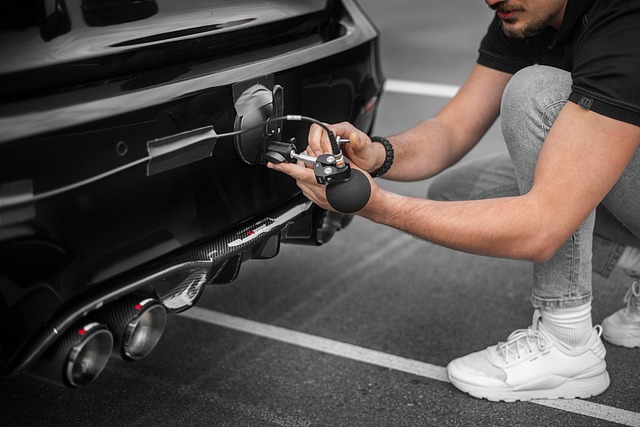
Registering a car in California involves several crucial steps, and one of the most critical is gathering the necessary identification documents. This process ensures that both you and your vehicle meet all legal requirements for roadworthiness and ownership verification. Among these documents, the DMV’s Vehicle Identification Number (VIN) verifier plays a pivotal role, ensuring the accuracy of your vehicle’s information through cross-referencing with state records.
A key component in this process is the use of a mobile VIN verifier, which can be employed during the inspection phase. This innovative tool allows for remote and efficient verification of a vehicle’s history, including any past accidents, outstanding liens, or reported thefts. For instance, many mobile vin inspection apps offer real-time data access, providing peace of mind and convenience to California residents looking to register their vehicles. By leveraging these digital solutions, you can streamline the registration process, saving time at the DMV or during private inspections.
When preparing your documents, ensure that your vehicle’s title, registration, and proof of insurance are up-to-date. Additionally, collecting records from previous owners (if applicable) and any relevant repair or maintenance documents can facilitate a smoother inspection process. It’s also worth noting that some states offer online registration services, further simplifying the task for residents who meet specific criteria. By being proactive in gathering these documents, you’ll not only enhance your registration experience but also contribute to maintaining California’s robust vehicle regulation framework.
Schedule a DMV Appointment (and Know What to Expect)

Scheduling a DMV appointment is a crucial step in registering your car in California. The process can be streamlined by understanding what to expect beforehand. The California Department of Motor Vehicles (DMV) offers both in-person and online scheduling options for appointments, making it convenient for residents. Upon booking, you’ll receive a confirmation with details like the date, time, and location, ensuring you’re prepared before your visit.
During your appointment, you’ll typically interact with a DMV representative who will assist with the registration process. Key requirements include presenting valid identification documents, proof of vehicle ownership (like a title or bill of sale), and ensuring your car passes all necessary safety inspections. A crucial aspect here is the Vehicle Identification Number (VIN) verification. The DMV employs advanced VIN verifiers, like mobile VIN inspection tools, to cross-check your car’s details against their databases, confirming its authenticity and history.
If you’re unable to visit a DMV in person, consider leveraging mobile VIN verification services. These services allow for remote inspection of your vehicle’s VIN, providing peace of mind and convenience. Many professional mobile VIN verifiers utilize specialized equipment to capture and transmit accurate data, ensuring the process is just as reliable as an in-person visit. By combining these modern tools with DMV appointment scheduling, you can efficiently navigate California’s car registration requirements.
Verify Vehicle Identification Number (VIN) with DMV or Online Tools

Verifying the Vehicle Identification Number (VIN) is a critical step in the car registration process in California, ensuring that your vehicle meets all legal requirements. The VIN is a unique code that identifies specific characteristics of a vehicle, including its make, model, year, and other crucial details. To ensure authenticity, it’s essential to cross-reference this number with official sources like the DMV or utilize specialized online tools designed for this purpose.
Using a DMV vin verifier, whether through an in-person inspection or digital platforms, offers several advantages. In California, many local DMV offices provide services where you can physically inspect and confirm the VIN on your vehicle against their records. This traditional method ensures accuracy and allows for immediate resolution of any discrepancies. Alternatively, mobile vin verifiers—both physical devices and online tools—enable a more flexible approach. These tools often offer remote access to comprehensive vehicle databases, allowing you or an authorized representative to conduct a thorough VIN inspection 1-2 times per year, regardless of location.
An example from real-world data highlights the importance of this step: In 2022, California’s DMV reported over 35 million active vehicles registered within their system. Accurate VIN verification helps maintain the integrity of these records, preventing fraud and ensuring that every registered vehicle complies with safety and environmental standards. When using online tools, ensure they are reputable and reliable to avoid potential scams or inaccurate information. By combining official sources like DMV vin verifiers with modern digital solutions, you can confidently navigate the registration process, ensuring your car’s legal status in California.
Complete Registration and Obtain Plates & Registration Papers

To complete the registration process in California, you’ll need to follow several crucial steps after passing your vehicle inspection. Once your car has been approved for registration, the next phase involves obtaining official license plates and registration papers from the Department of Motor Vehicles (DMV). This critical step ensures your vehicle is legally operable within the state.
Begin by making an appointment at your nearest DMV office to pick up the plates and register your vehicle. Bring all necessary documents, including proof of insurance, ownership records, and identification. A mobile vin inspection or a vin verifier can be invaluable here; these tools enable you to quickly verify your car’s Vehicle Identification Number (VIN) for accuracy, ensuring a smooth process. During this visit, you’ll also need to pay the registration fee, which varies based on your vehicle type and age.
After obtaining your plates and paperwork, it’s essential to display them correctly on your vehicle. California requires license plates be securely fastened on both the front and rear of your car, visible from all angles. Additionally, keep your registration papers handy for inspections or when selling your vehicle. Regularly updating your registration and ensuring proper vin inspection compliance is key to avoiding penalties and keeping your vehicle in good standing with the DMV.
By meticulously preparing your vehicle’s documentation, gathering essential identification documents, scheduling a DMV appointment, verifying the Vehicle Identification Number (VIN) using reliable dmv vin verifier tools, and completing the registration process, you’ve taken significant steps to ensure your car is legally registered in California. This authoritative guide has equipped you with the knowledge to navigate the system efficiently, ensuring compliance and peace of mind on the road. Moving forward, keep these key insights in mind: maintain accurate records, stay informed about any updates from the DMV, and utilize online resources for streamlined verification. With these practical next steps, you’re now prepared to confidently manage your vehicle’s registration process.