

Registering a car in California is not just a formalities task; it’s a crucial step for every vehicle owner, ensuring legal compliance and investment protection. However, navigating the process can be challenging, with various requirements and potential pitfalls along the way. This article serves as your authoritative guide, demystifying each step to ensure a smooth experience. We’ll delve into everything from gathering essential documents to understanding the DMV VIN verification process, empowering you with the knowledge to confidently register your vehicle in the Golden State.
- Gather Required Documents for Car Registration
- Visit a California DMV Office or Use Online Services
- Prepare for Vehicle Identification Number (VIN) Verification
- Complete the Registration Application and Pay Fees
- Receive Your California Registration and Vehicle Sticker
Gather Required Documents for Car Registration

Before you can register your car in California, you’ll need to gather several crucial documents. This process is designed to ensure vehicle safety and identify potential issues before hitting the road. One of the most critical steps in this journey involves verifying the Vehicle Identification Number (VIN), a unique code that acts as a fingerprint for every car. The California Department of Motor Vehicles (DMV) requires a VIN verification, often facilitated through a mobile vin verification or inspection service.
A mobile vin inspection offers several benefits, including convenience and speed. With this method, a trained professional will use specialized equipment to cross-reference your vehicle’s VIN with national databases, checking for any reported issues, recalls, or hidden history. This step is essential, as it helps identify potential safety hazards and ensures you’re making an informed decision when purchasing a used car. For instance, California has strict regulations regarding emissions and safety standards, and a comprehensive vin inspection 1-2 times before registration can help ensure your vehicle meets these requirements.
To prepare for this process, collect your vehicle’s VIN—usually found on the driver’s side of the dashboard or under the hood—and any relevant ownership documents. Additionally, have proof of insurance and your current license ready. Once you’ve gathered these items, schedule an appointment with a trusted mobile vin verification service to complete the necessary checks. This proactive approach ensures that when you do register your car with the DMV, the process flows smoothly without unexpected complications.
Visit a California DMV Office or Use Online Services

Registering a car in California involves several steps, but you have options depending on your preferences and schedule. One of the most straightforward methods is to visit a local California Department of Motor Vehicles (DMV) office. Alternatively, many services now offer online registration, streamlining the process for greater convenience. When considering how to register, remember that accurate DMV VIN verification is essential throughout every step, ensuring your vehicle’s history is accurately represented.
For in-person registration, locate a nearby DMV field office and gather necessary documents, such as proof of identity, proof of residency, and the title or lienholder information. Once there, you can complete the registration process, which includes a VIN inspection to verify the vehicle’s identity. Many DMV offices now offer mobile VIN verifiers, ensuring a swift and efficient inspection without the need for an appointment. Online registration simplifies the process even further. You’ll still need to provide personal details and vehicle information, but some services allow for digital submission of documents and real-time communication with DMV representatives if needed.
Utilizing online tools like mobile VIN inspection services can save time and effort. These services enable you to conduct a remote VIN check, ensuring all data is accurate before initiating registration. For instance, certain mobile VIN verifiers provide instant reports, detailing the vehicle’s history and previous owners. This proactive approach, especially when coupled with proper DMV VIN verification, helps prevent future issues related to misrepresented vehicle conditions. Remember, whether you opt for in-person or online services, ensuring your vehicle is properly inspected and registered is paramount to enjoying a hassle-free ownership experience.
Prepare for Vehicle Identification Number (VIN) Verification

Registering a car in California involves several meticulous steps, and one crucial aspect is ensuring your vehicle passes the DMV VIN verification process. This step demands precise documentation and accurate information related to your car’s unique Vehicle Identification Number (VIN). The California Department of Motor Vehicles (DMV) employs VIN verification as a critical safety measure, ensuring that all registered vehicles meet specific standards.
For a seamless experience, consider utilizing mobile VIN verification services. These innovative tools allow for convenient and efficient inspections. A mobile vin verifier can quickly scan your vehicle’s VIN, cross-referencing it with state databases to verify its authenticity and history. This modern approach streamlines the process, especially for those who may struggle with traditional DMV procedures or have limited mobility.
During the verification, examiners will assess various factors beyond the VIN, including the condition of safety equipment, emissions systems, and overall vehicle integrity. It’s essential to provide comprehensive documentation, such as ownership records, insurance details, and any relevant maintenance reports. By preparing for this step with accurate information, you can expedite the registration process and avoid potential delays or issues. Remember, a thorough understanding of your vehicle’s history is key to navigating the DMV vin verification successfully.
Complete the Registration Application and Pay Fees
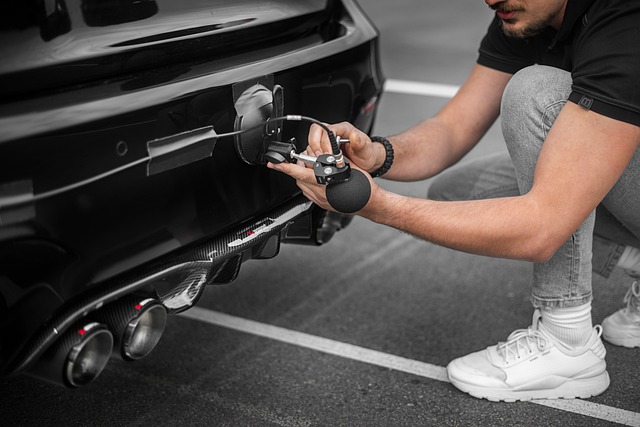
Completing your vehicle’s registration in California involves a meticulous process, with a significant step being the submission of the Registration Application and associated fees. This crucial phase requires careful attention to detail, ensuring all required documentation is accurate and up-to-date. The California Department of Motor Vehicles (DMV) offers several convenient methods to facilitate this task, including mobile VIN verifiers, which streamline the process by enabling on-site, same-day VIN inspection.
The Registration Application typically entails providing detailed information about your vehicle, such as its make, model, year, and unique Vehicle Identification Number (VIN). Accurately recording these specifics is paramount during registration, especially when paired with valid identification documents for both you and the vehicle’s owner. It’s worth noting that the DMV may require additional paperwork depending on how the car was acquired or if there have been recent ownership changes.
Concurrently, you’ll need to process the necessary fees, which vary based on your vehicle’s type and age. These fees are designed to cover administrative costs and support road safety initiatives funded by registration revenues. For instance, a typical mid-sized sedan may incur fees around $50-$100, while heavier vehicles or those with specialized features could be subject to higher charges. To optimize convenience, the DMV allows for various payment methods, including cash, credit cards, and debit cards, ensuring you can complete your registration efficiently using whichever option aligns best with your preferences.
To further enhance efficiency during this process, consider utilizing mobile VIN verifiers. These tools enable a swift and accurate VIN inspection, ensuring the vehicle’s information matches the submitted records. This step is particularly beneficial for those seeking a hassle-free experience or for professional vehicles that require frequent registration updates. By embracing modern solutions like mobile VIN verification, you can ensure your California car registration stays current without unnecessary delays.
Receive Your California Registration and Vehicle Sticker

After completing your California car registration process at the DMV or through a designated agent, the next step is to receive your official California registration and vehicle sticker. This crucial component confirms that your vehicle meets all legal requirements for operation on California roads. Upon approval, you’ll be issued a unique registration number, which is typically displayed prominently on a sticker or plate attached to your car’s window.
Obtaining your registration and sticker involves several key steps. First, ensure that you’ve successfully passed any necessary inspections, including a DMV vin verification process, to confirm vehicle identity and ensure it complies with emission standards. In some cases, utilizing mobile VIN verification services can streamline this step by allowing for remote inspection of your vehicle’s history and specifications, saving time and effort. Once all requirements are met, the DMV will generate your registration documents, which include detailed information about your vehicle, including its make, model, year, and unique Vehicle Identification Number (VIN).
Accepting your registration materials involves carefully reviewing the information for accuracy. Double-check that the VIN matches the one on your vehicle and that all other details are correct. If discrepancies arise, promptly address them with the DMV or a designated agent using their established communication channels. Upon confirmation of accuracy, attach the registration sticker to your car’s window as required by California law. This visible display serves as a constant reminder of your vehicle’s official status and helps law enforcement quickly verify its registration during traffic stops.
Registering a car in California involves several key steps, from gathering essential documents to completing a registration application. The process is streamlined through DMV offices or online services, ensuring convenience for residents. A crucial aspect, dmv vin verification, checks the Vehicle Identification Number (VIN) for accuracy, safeguarding against fraud. Upon approval, you’ll receive your California registration and vehicle sticker, legalizing your car’s operation within the state. To ensure a smooth experience, readers should carefully review these steps, organize necessary documents in advance, and be prepared for potential fee adjustments. This authoritative guide offers comprehensive insights into navigating the car registration process efficiently and accurately.