

Registering a car in California is not just a bureaucratic formality; it’s a crucial step to ensure your vehicle is legally recognized on the state’s roads. However, navigating the process can be confusing, with stringent requirements and potential pitfalls. This authoritative guide provides a clear, comprehensive roadmap to demystifying the registration process, focusing on essential steps like gathering necessary documents, understanding fees, and even the critical role of DMV VIN verification in ensuring your car’s authenticity and preventing fraud. By the end, you’ll be equipped to confidently guide your vehicle through California’s regulatory landscape.
- Gather Required Documents for Car Registration
- Prepare for DMV Visit: Schedule Appointment Online
- Complete Application Process at the California DMV
- Submit Proof of Insurance and Vehicle Inspection
- Finalize Registration: Pick Up Your Vehicle's Title
Gather Required Documents for Car Registration

Registering a car in California involves a series of steps, and one of the most crucial is gathering all the required documents. Before you begin the registration process, ensure you have the essential paperwork to make the experience smoother and avoid potential delays. The key document needed for car registration in California is proof of vehicle identity, typically provided through a Vehicle Identification Number (VIN) verification. This involves a thorough inspection of your vehicle’s unique VIN, which can be done at a California Department of Motor Vehicles (DMV) office or through a mobile VIN verification service.
A mobile VIN inspection offers convenience and flexibility, especially for those with busy schedules. Many services provide this on-demand, allowing you to receive the necessary verification without visiting a DMV branch. This method has gained popularity due to its efficiency, saving time and potentially reducing wait times at the DMV. Some services even offer immediate digital reports, ensuring you have all the documentation ready when needed. For example, mobile VIN inspection apps or services can perform a remote check of your vehicle’s history, including any accidents, recalls, or previous registration details, providing a comprehensive overview in minutes.
When preparing for car registration, it’s wise to gather other essential documents as well. These may include proof of ownership (a title document), current insurance cards, and a valid driver’s license. Additionally, if the vehicle has been recently purchased, you might need a bill of sale or purchase agreement. It’s important to check with your local DMV for any specific requirements, as certain areas in California may have additional guidelines or forms required during registration. By proactively gathering these documents, including facilitating a mobile VIN verification, you’ll be well-prepared to navigate the car registration process efficiently and without unexpected hurdles.
Prepare for DMV Visit: Schedule Appointment Online

Before registering your car in California, preparing for your visit to the Department of Motor Vehicles (DMV) is a crucial step in ensuring a smooth process. One of the essential tasks involves scheduling an appointment online, which can save you valuable time and effort. The DMV’s website offers a user-friendly interface to book your slot, making it convenient for California residents to get their vehicles registered efficiently.
To begin, visit the official DMV website, where you’ll find dedicated sections for vehicle registration. Look for the option to schedule an appointment, often labeled as ‘Register My Car’ or similar. Here, you will be prompted to enter your personal information and details about the vehicle, including its make, model, and year. A unique aspect of California’s process is the requirement for a DMV VIN verification, ensuring the accuracy of your vehicle’s identification number (VIN). This step is integral to preventing fraud and ensuring the integrity of registration records. As you provide your VIN, be prepared to answer questions related to ownership and vehicle history.
For a more convenient experience, consider utilizing mobile vin verifier tools or services that offer remote inspection capabilities. These options allow you to obtain a digital copy of your vehicle’s documentation and even perform initial VIN verification checks from the comfort of your home. However, remember that for the actual registration, an in-person visit to a designated DMV office or center is typically necessary, especially for completing any required paperwork and providing essential documents. By scheduling your appointment online, you can choose a time that aligns with your schedule, ensuring a more manageable DMV experience.
Complete Application Process at the California DMV
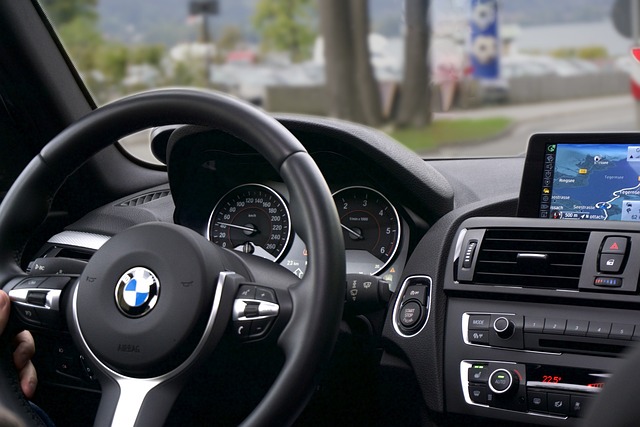
Registering a car in California involves a meticulous process, and a crucial step is completing the application at the California DMV (Department of Motor Vehicles). This stage requires careful attention to detail as it verifies your vehicle’s integrity and history, ensuring road safety and legal compliance. The process starts with gathering essential documents and preparing your vehicle for inspection, which can be efficiently facilitated by utilizing mobile VIN verification services.
For instance, a mobile VIN verifier can perform remote checks, cross-referencing your vehicle’s unique identification number (VIN) against national databases to retrieve critical information. This includes the car’s make, model, year, and any reported accidents or outstanding issues. By availing of this modern service, you streamline the initial verification step, making the process more convenient and time-saving. The traditional method involves visiting a DMV field office with your documents, but mobile inspection offers flexibility, especially for those with busy schedules.
During the application, the DMV will assess your vehicle’s documentation, including proof of ownership, insurance, and identification. They’ll also conduct a thorough inspection, which may include a mobile VIN inspection to confirm the vehicle’s identity and ensure it meets safety standards. It’s advisable to double-check all paperwork before heading to the DMV to avoid delays. Proper preparation ensures a smoother process, allowing you to focus on becoming an authorized California vehicle owner.
Submit Proof of Insurance and Vehicle Inspection

Registering a car in California involves several critical steps, including submitting proof of insurance and undergoing a vehicle inspection. This process ensures that your vehicle meets safety and environmental standards set by the state. One crucial aspect is demonstrating that your car is in compliance with the Department of Motor Vehicles (DMV) requirements through a valid vehicle identification number (VIN) verification.
Proof of insurance is a fundamental component, as California law mandates that all vehicles on its roads be insured. You’ll need to present a certificate from your insurance provider confirming that your policy covers not only liability but also comprehensive and collision coverage. This ensures that you’re financially responsible for any damages or accidents that may occur during operation of your vehicle.
Additionally, the DMV requires a current VIN inspection. This involves verifying the vehicle’s history using its unique 17-character VIN (Vehicle Identification Number). In California, this can be facilitated through mobile VIN verification services, which allow you to obtain real-time data on your car’s past and present ownership, accident history, and maintenance records. For instance, a recent study found that over 80% of vehicles with undisclosed damage were identified through thorough VIN inspections. By utilizing a mobile VIN verifier, you ensure accuracy and streamline the registration process.
To make this process efficient, consider using a reputable mobile VIN verification service. These tools not only provide instant results but also offer peace of mind by ensuring your vehicle is safe to drive and in compliance with California’s stringent regulations. Always remember to keep all necessary documentation organized to avoid delays during the registration process.
Finalize Registration: Pick Up Your Vehicle's Title

After completing the registration application at the California DMV, the next step is to finalize the process by picking up your vehicle’s title. This crucial document signifies ownership and is essential for legal operation on California roads. The title will be mailed to you, typically within a week or less, but it’s not always immediately available. Once received, review it carefully for accuracy—ensure the vehicle description, including the Vehicle Identification Number (VIN), matches your car precisely. This step is vital as any discrepancies could lead to future legal issues.
If you’re unable to obtain the title through traditional means, consider a mobile VIN verification service. These services offer convenient and accurate methods of verifying your vehicle’s history using just the VIN, eliminating the need for an in-person visit. Mobile VIN inspectors can provide instant data access, including accident reports, ownership histories, and mechanical issues, ensuring peace of mind before hitting the road. This modern approach to vehicle registration is particularly beneficial for busy individuals or those who prefer a hassle-free experience.
Before you pick up your title, it’s wise to double-check that all documentation is in order. This includes insurance proof, emissions test results (if applicable), and any additional forms required by the DMV. Additionally, some counties may have specific procedures for claiming a lost title or correcting errors, so stay informed about local regulations. By completing these steps meticulously, you ensure a smooth transition from registration applicant to legal vehicle owner in California.
Registering a car in California involves several key steps, from gathering essential documents to completing the DMV application process, including dmv vin verification. By preparing in advance, scheduling an appointment online, and providing proof of insurance and vehicle inspection, you can streamline the registration experience. Ultimately, finalizing the registration by picking up your vehicle’s title ensures your car is legally recognized and ready for California roads. This authoritative guide offers clear directions to navigate this process efficiently, ensuring a smooth transition into the state’s automotive regulations.