
Registering a car in California is not just a bureaucratic formality; it’s a crucial step towards legally operating your vehicle on state roads. However, navigating the process can be complex, with numerous requirements and potential pitfalls. You’ll need to ensure accurate documentation, pass emissions tests, and complete necessary forms at the DMV—including critical steps like VIN verification. This article guides you through every step, offering expert insights to streamline the registration process and ensure a smooth experience. By following our comprehensive guide, you’ll master how to register your car in California with confidence, leaving behind any frustration or uncertainty.
- Gather Required Documents for Car Registration
- Prepare Your Vehicle for DMV Inspection
- Complete the California Car Registration Application
- Submit Proof of Insurance and Pay Fees
- Perform DMV VIN Verification for Finalization
Gather Required Documents for Car Registration

Registering a car in California involves a systematic process, and one of the crucial steps is gathering the necessary documents for a smooth and efficient DMV (Department of Motor Vehicles) vin verification. This step is essential to ensure that your vehicle complies with all legal requirements and to avoid any potential delays or issues. Before you begin the registration process, make sure you have the following key documents ready.
For most vehicles, you will require the title, which is proof of ownership. It’s essential to ensure the title is in your name, free from any liens, and accurately reflects the vehicle’s make, model, year, and unique vehicle identification number (VIN). Additionally, you’ll need a current registration certificate from the state where the car was previously registered, and a valid driver’s license or state-issued ID card. If you’re transferring a title or registering a vehicle without a title, specific additional documents may be required, such as a bill of sale or a letter from the previous owner. It’s always a good idea to check with your local DMV for precise documentation needs.
In California, mobile vin verification has become a popular option, allowing you to complete the initial inspection from the comfort of your home or office. This service involves a professional inspector conducting a detailed examination of your vehicle’s VIN, ensuring its accuracy and authenticity. In some cases, especially with classic cars or vehicles with a history of ownership changes, a mobile vin inspection is mandatory before registration. This modern approach streamlines the process, saving you time and effort, and providing peace of mind that your car’s documentation is up to date and reliable.
Prepare Your Vehicle for DMV Inspection
Before you register your car in California, it’s crucial to prepare your vehicle for the DMV inspection process. This involves ensuring your car meets all safety and environmental standards set by the state. One of the key aspects that will be checked is the Vehicle Identification Number (VIN) verification, which is a critical step in the registration procedure known as DMV VIN verification. This verification ensures the authenticity and history of your vehicle, helping to prevent fraud and ensuring compliance with California’s regulations.
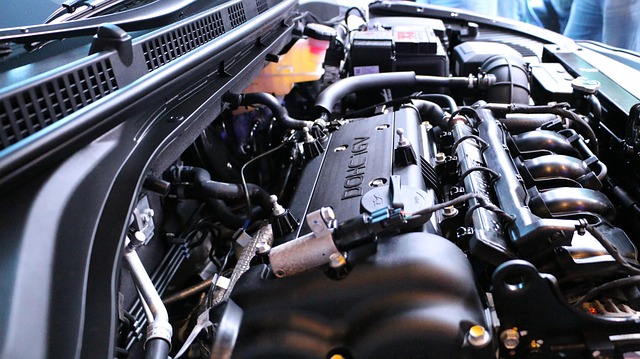
During the inspection, a DMV officer will conduct a thorough examination, checking various components like lights, brakes, tires, and emissions systems. They’ll also inspect the VIN plate, which is typically located on the driver’s side door or the engine compartment. A mobile VIN verification, often facilitated by advanced technology solutions, can be requested in some cases to streamline this process. This method allows for remote inspection of the VIN data, providing convenience and saving time. For instance, many auto shops and specialized services now offer mobile vin inspection, where a technician uses a digital device to capture and transmit the necessary information directly to the DMV.
To make the preparation process smoother, it’s advisable to have your vehicle serviced regularly and maintain accurate records of all maintenance and repair work. Additionally, ensuring that any modifications or upgrades are compliant with California’s regulations can significantly facilitate the inspection process. Remember, a valid and accurate VIN is not just a legal requirement; it also helps in tracking your vehicle’s history, which is valuable for insurance purposes and selling decisions. In some cases, if discrepancies are found during mobile vin inspection, you may be asked to present original documents or undergo further on-site inspections.
Complete the California Car Registration Application

To complete the registration process for your car in California, you’ll need to fill out the official California Car Registration Application. This form is a crucial document that establishes your vehicle’s legal status within the state and ensures compliance with all necessary regulations. The application requires detailed information about both the vehicle itself and the owner, including personal data, vehicle specifications, and proof of insurance.
One critical component of this process involves the DMV VIN verification, which checks the accuracy of your Vehicle Identification Number (VIN). This step is often completed through a mobile vin inspection or a visit to a California Department of Motor Vehicles (DMV) office. The VIN is a unique code that identifies your car’s make, model, and year, playing a vital role in its registration and history tracking. Accurate VIN data ensures that the vehicle matches the information on record, enhancing the overall integrity of the registration process.
For instance, if you’re registering a classic car or a vehicle with a modified chassis, the mobile vin verification becomes even more essential. These cases might require additional documentation to validate the vehicle’s identity and history. Some counties in California offer mobile vin inspection services, making it convenient for owners to verify their vehicles’ details without leaving home. This modern approach streamlines the registration process, reflecting the state’s commitment to efficient and accessible service.
Submit Proof of Insurance and Pay Fees

Registering a car in California involves several crucial steps, and one of the essential aspects is submitting proof of insurance and paying the required fees. This process ensures that your vehicle complies with state regulations and provides you with legal coverage while on the road. At the California Department of Motor Vehicles (DMV), vin verification is a critical component of this procedure. The Vehicle Identification Number (VIN) inspection, often facilitated through a mobile VIN verifier, plays a pivotal role in confirming the authenticity of your car’s details.
To begin, ensure that your insurance policy covers you according to California’s minimum liability requirements. This includes bodily injury liability of $15,000 per person and $30,000 for all injured parties, as well as property damage liability of $5,000. Once your coverage is confirmed, you can proceed with the DMV visit. During this time, you’ll need to present a valid driver’s license or ID, proof of residency in California, and completed application forms. Additionally, you must undergo a mobile VIN verification process, where an inspector remotely checks your car’s VIN and associated data through a digital platform. This step is crucial as it ensures the DMV has accurate information about your vehicle, enhancing the efficiency of registration.
After successful vin inspection, you’ll be directed to pay the necessary fees, which typically include a registration fee, title fee (if applicable), and any other applicable taxes or surcharges. It’s essential to verify these costs beforehand to avoid unexpected financial burdens. Once all requirements are met, including proof of insurance, your car will officially be registered, and you’ll receive the corresponding documents. Regularly updating your vehicle’s registration and insurance is vital to maintain compliance with California’s motor vehicle regulations.
Perform DMV VIN Verification for Finalization
To finalize the registration process, you must undergo DMV VIN verification. This crucial step involves ensuring that the Vehicle Identification Number (VIN) on your car matches the data in the Department of Motor Vehicles’ (DMV) records. A mobile VIN inspection or using a mobile vin verifier can significantly streamline this procedure. Many Californians opt for these services, given their convenience and efficiency. For instance, some auto repair shops and mobile service providers offer on-site vin inspection, allowing you to save time by avoiding a trip to the DMV.
During the verification process, the examiner will cross-reference the VIN with the vehicle’s make, model, year, and other relevant details against the DMV’s database. This step is vital to prevent fraud and ensure that your car’s registration aligns with its official specifications. A recent study found that approximately 1% of vehicles in California have discrepancies in their VIN records, highlighting the importance of this verification process. By utilizing mobile vin verifier tools or scheduling a quick mobile VIN inspection, you can resolve any potential issues before the DMV finalizes your car’s registration, ensuring a smooth and hassle-free experience.
If discrepancies are found during the vin inspection, it’s crucial to address them promptly. This might involve rectifying errors in ownership records, verifying insurance coverage, or making necessary modifications to ensure the vehicle complies with current regulations. Engaging the services of a reputable mobile vin verifier or inspector can aid in navigating these complexities and ensuring that your car is properly registered with the California DMV.
By meticulously following these steps—from gathering essential documents to completing applications and providing proof of insurance—you can successfully navigate the process of registering your car in California. The key insights lie in preparing your vehicle for inspection, ensuring all required forms are accurate, and finally, undergoing the crucial dmv VIN verification step. This comprehensive guide empowers you to smoothly transition from owning a vehicle to officially registering it within the state, reinforcing the article’s authority on this essential procedure.