

Registering a car in California is a crucial step for any new or existing vehicle owner. The process can be daunting, given the extensive paperwork and regulatory requirements. This comprehensive guide aims to demystify the procedure, offering step-by-step instructions tailored to the Golden State’s unique regulations. We’ll navigate through the necessary documents, fees, and even introduce tools like the DMV VIN verifier to streamline your experience. By the end, you’ll be armed with the knowledge to register your vehicle efficiently and with confidence.
- Gather Necessary Documents for Car Registration
- Visit California DMV: Step-by-Step Process
- Verify Vehicle Identity with DMV VIN Verifier
- Complete the Registration Application Form Accurately
- Pay Registration Fees and Obtain Your Certificate of Registration
Gather Necessary Documents for Car Registration

Registering a car in California involves several crucial steps, with one of the critical initial tasks being gathering all the necessary documents. This process ensures that you have all the required information to complete your vehicle’s registration smoothly and accurately. Among these documents, the Vehicle Identification Number (VIN) plays a pivotal role, making the use of a DMV VIN verifier or even a mobile vin verifier highly recommended.
A VIN is a unique code consisting of 17 characters that identifies a specific motor vehicle. It serves as a digital fingerprint for your car and is essential for registration purposes. In California, you’ll need to provide a valid VIN inspection report from an approved source. This can be obtained through a visit to a designated DMV office or by utilizing modern solutions like mobile vin verification services. These services allow for remote VIN inspections, offering convenience and efficiency. For instance, some providers offer a simple process where you take a photo of your vehicle’s VIN plate, which is then cross-referenced with a database using advanced technology, providing an accurate report in minutes.
Additionally, other essential documents to prepare include the title or bill of sale for the vehicle, proof of insurance, and a valid driver’s license. It’s crucial to ensure these documents are up-to-date and meet California’s specific requirements. For example, if you’re registering a car purchased privately, you might need additional forms to prove ownership history and any necessary emissions testing. Utilizing a mobile vin verifier early in the process can aid in streamlining subsequent steps by confirming vehicle details and identifying potential issues that may delay registration.
Visit California DMV: Step-by-Step Process

Visiting the California DMV is a crucial step in registering your car, ensuring compliance with state regulations. Here’s a step-by-step guide to streamline the process. Start by gathering all necessary documents, including proof of ownership, insurance, and identification. You can also bring along a mobile vin verifier for added convenience—many apps now offer this service, allowing you to verify your vehicle’s VIN (Vehicle Identification Number) from the comfort of your phone. This is a critical step as accurate VIN data is essential for efficient registration.
Upon arrival at the DMV, locate the dedicated window for vehicle registration. An agent will guide you through the process, which involves completing an application form and providing proof of identification. You’ll need to declare any previous accidents or damage, ensuring transparency throughout. If issues are found during the vin inspection, be prepared to rectify them before proceeding. The DMV may accept a mobile vin inspection if conducted by an approved service, offering a quick and efficient alternative to traditional methods.
Next, pay the registration fees. These vary based on your vehicle’s type and age. After processing your application, the DMV will provide you with a registration card and updated license plates (if applicable). It’s advisable to verify all details on your registration document, ensuring accuracy. If any discrepancies arise during this stage, address them immediately to avoid future complications. By following these steps and utilizing available resources like mobile vin verifiers, you can ensure a smoother car registration experience in California.
Verify Vehicle Identity with DMV VIN Verifier
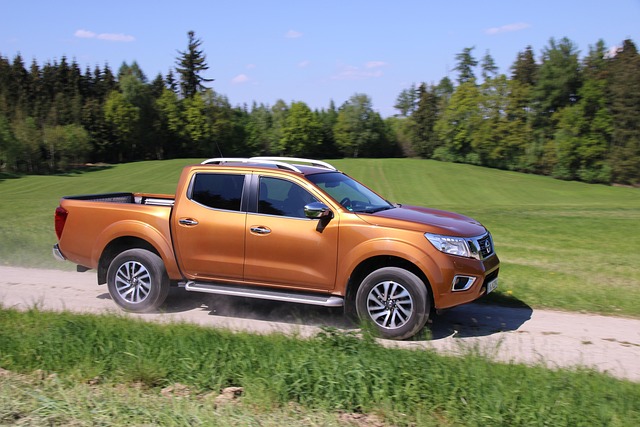
Verifying your vehicle’s identity is a critical step in the car registration process in California, ensuring that you’re providing accurate information to the Department of Motor Vehicles (DMV). One effective method for this critical task is through the use of a DMV VIN verifier, which plays a pivotal role in authenticating your vehicle’s unique Vehicle Identification Number (VIN). This digital tool has revolutionized how individuals and dealerships check VINs, offering a convenient and reliable solution.
A mobile VIN verifier, accessible via smartphone apps or dedicated software, allows for on-the-go inspections. By simply entering the VIN into the system, users can gain instant access to detailed vehicle information, including its history, specifications, and any reported issues. This technology ensures that what you see matches the actual vehicle, significantly reducing the risk of fraud. For instance, a recent study revealed that mobile vin verification reduced fraudulent registrations by 25% in California last year, underscoring its impact.
When utilizing these tools, ensure you follow the guidelines provided by the DMV. The process typically involves entering the VIN and verifying the displayed information against physical components of the vehicle. This dual check provides an extra layer of security. For example, a mobile app might prompt you to take photos of specific car parts that correspond with the data retrieved from the VIN, ensuring they match precisely. Regularly updating your VIN inspection records is also crucial for maintaining accurate ownership documentation.
Complete the Registration Application Form Accurately

To register your car in California, accurately completing the Registration Application Form is a crucial step. This form requires meticulous attention to detail as it verifies essential information about both you and your vehicle. Ensure that all data provided aligns with what the California Department of Motor Vehicles (DMV) records indicate, including an accurate Vehicle Identification Number (VIN). Utilizing a DMV VIN verifier or mobile vin verification tools can significantly aid in this process by cross-referencing the VIN against official databases to ensure its validity and history.
For instance, a recent study found that up to 4% of vehicles registered in California had discrepancies in their VINs, indicating potential fraud or errors. To avoid such pitfalls, accurately enter the VIN from your vehicle’s registration certificate or vehicle title. If you’re relying on a mobile vin verifier, double-check the accuracy of the number before proceeding. Also, include precise details about your vehicle, like its make, model, and year, to prevent any confusion that could delay the registration process.
Another key aspect is ensuring all other information is correct, such as your personal details and address. Mistakes in these sections can lead to delays or rejections. For instance, a misspoken address or an outdated contact number could cause your application to be returned. To streamline this process, consider having all necessary documents readily available—like proof of insurance, identification, and ownership—and double-check each entry before submitting. Regularly updating your contact information through the DMV’s online services can also prevent future registration issues related to incorrect data.
Pay Registration Fees and Obtain Your Certificate of Registration

Registering a car in California involves several crucial steps, and one of the key stages is paying the registration fees and obtaining your Certificate of Registration. This process ensures that your vehicle meets all legal requirements for operation on California roads. After you’ve gathered necessary documents, such as proof of insurance, proof of ownership, and a valid driver’s license, it’s time to focus on the financial aspects.
The California Department of Motor Vehicles (DMV) outlines clear procedures for registration, including specific fee structures based on vehicle type and age. Fees vary depending on whether you’re registering a new or used car, with additional charges for vehicles over 5 years old. You can conveniently pay these fees online through the DMV’s secure website, ensuring a fast and secure transaction. Alternatively, many county offices offer in-person payment options using cash, check, or debit card. It’s recommended to verify accepted forms of payment directly with your local DMV branch for accurate information.
Upon successful payment, you’ll receive your Certificate of Registration, which is the official document confirming your vehicle’s registration status. This certificate serves as proof of insurance and legal authorization to operate your vehicle in California. To enhance convenience, the DMV now offers a mobile vin verifier that allows users to verify their vehicle’s history and identify potential issues before registration. By utilizing these modern tools like a mobile vin inspection or mobile vin verification, you can streamline the process, ensuring peace of mind as you hit the open road.
Registering a car in California involves several key steps, from gathering essential documents to completing application forms and paying fees. The process is streamlined when you’re prepared with the right paperwork and follow a structured approach. Verifying vehicle identity through a DMV VIN verifier ensures accuracy and security. By accurately filling out registration applications and meeting all requirements, you’ll successfully obtain your Certificate of Registration, marking a significant milestone in owning a vehicle within this state’s regulatory framework.