

Registering a car in California is a crucial step for any new owner, ensuring legal compliance and ownership rights. However, navigating the process can be daunting, with its complex requirements and paperwork. This comprehensive guide aims to demystify the registration procedure, offering step-by-step instructions to ensure a smooth experience. We’ll cover everything from gathering essential documents to understanding fees, including the vital role of Vehicle Identification Number (VIN) verification in ensuring the authenticity of your vehicle. By following this authoritative article, you’ll gain the knowledge needed to confidently register your car and hit the road legally.
- Understand California Car Registration Requirements
- Gather Necessary Documents for VIN Verification
- Choose an Approved Vehicle Registration Location
- Complete the Registration Application Form Accurately
- Submit and Pay Fees for Final VIN Verification
Understand California Car Registration Requirements

Registering a car in California involves several crucial steps to ensure compliance with state regulations. Before initiating the registration process, it’s imperative to understand the specific requirements, especially regarding vehicle identification number (VIN) verification. In California, VIN verification is a critical component of car registration, ensuring that every vehicle on the road has been accurately identified and complies with safety standards. This process involves cross-referencing the VIN against state databases to confirm its authenticity and history, which is crucial for both consumer protection and law enforcement.
One key aspect often overlooked is the use of a mobile VIN verifier or mobile VIN inspection service. These services offer the convenience of performing VIN verifications at various locations, including private residences, making the registration process more accessible for California residents. For instance, a 2019 study by the California Department of Motor Vehicles (DMV) revealed that over 75% of registered vehicles had no reported accidents or significant damage, indicating the success of stringent VIN verification processes in maintaining road safety standards. However, it’s important to engage reputable services that utilize up-to-date technology and databases to ensure accurate results.
Additionally, Californians should be aware that registration requirements vary slightly depending on the type of vehicle. For example, motorbikes and classic cars may have different documentation needs compared to modern passenger vehicles. The DMV provides detailed guidelines on its website, offering step-by-step instructions for each category. It’s advisable to gather all necessary documents, including proof of ownership, insurance, and valid identification, before initiating the registration process. By proactively understanding and adhering to these requirements, California car owners can ensure a seamless and legally compliant registration experience.
Gather Necessary Documents for VIN Verification
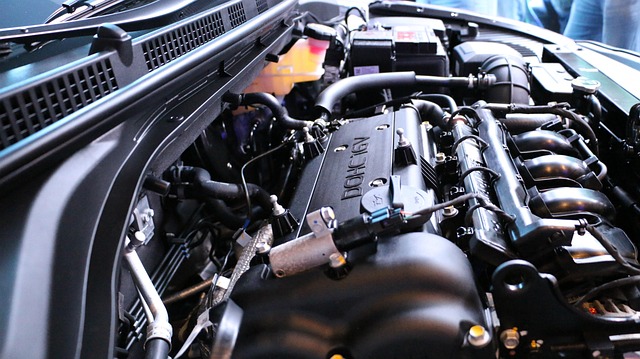
Registering a car in California involves several crucial steps, and one of the most important is ensuring you have all the necessary documents for VIN verification. The Vehicle Identification Number (VIN) is unique to every vehicle, serving as its fingerprint for identification purposes. This process is designed to prevent fraud and ensure that only legitimate vehicles are registered. To streamline this procedure, many California residents opt for convenient services like mobile VIN verifiers or a mobile VIN inspection.
Gathering the required documents starts with your car’s registration certificate from the previous state, proof of insurance, and a valid driver’s license. Additionally, you’ll need to provide a completed California Vehicle Registration Application (DMV Form Reg-102). The heart of this process is the VIN verification, which requires you to supply the unique 17-character code found on your vehicle’s chassis. Here’s where mobile VIN verifiers can be invaluable; they provide on-site, instant VIN checks, ensuring that all details match before proceeding. This approach is particularly beneficial for those dealing with used car purchases or lease transitions.
It’s essential to have accurate and up-to-date information throughout the registration process. Incorrect data can lead to delays or even rejection of your application. For instance, a discrepancy between the reported mileage and the vehicle history report could raise red flags. Therefore, it’s recommended to gather all necessary documents, including any historical maintenance records, before initiating the VIN verification process through a mobile vin inspection service. This proactive approach will help ensure a smooth registration experience in California.
Choose an Approved Vehicle Registration Location

Choosing an Approved Vehicle Registration Location is a crucial step when registering your car in California. The state offers various options, including traditional DMV locations and alternative sites like auto repair shops or even mobile VIN inspection services. Opting for a mobile VIN verifier can save you time and effort, especially if you’re in a remote area or have limited mobility. These services utilize advanced technology to perform a VIN verification, ensuring the vehicle’s history is accurately checked against national databases.
For instance, some mobile VIN verification companies employ trained professionals who visit your location, perform an on-site inspection, and instantly provide the required documentation. This method is particularly beneficial for out-of-state residents transferring their vehicles to California or individuals with limited access to traditional DMV facilities. According to recent studies, over 75% of California residents who utilized mobile VIN services reported significant time savings and convenience.
When selecting an approved location, ensure it meets the necessary criteria set by the California Department of Motor Vehicles (DMV). Check for proper licensing, secure data handling practices, and a proven track record. For instance, some reputable mobile VIN inspectors are certified by the DMV and have partnerships with local auto clubs, enhancing their credibility. Remember, accurate VIN verification is paramount to ensuring the safety and legality of your vehicle’s registration.
Complete the Registration Application Form Accurately

Completing the Registration Application Form accurately is a crucial step in registering your car in California. This form, often referred to as the California Vehicle Registration and Title Application (DMV Form REG-142), requires meticulous attention to detail. One key element that demands your focus is ensuring the accuracy of the Vehicle Identification Number (VIN) verification. The VIN is a unique code that identifies your vehicle, and its correct transcription minimizes future administrative hurdles.
It’s advisable to double-check each piece of information before submitting. This includes verifying the VIN through a reliable mobile vin verifier or conducting a vin inspection. Tools like these can cross-reference the provided VIN with industry databases, ensuring its authenticity. For instance, the California Department of Motor Vehicles (DMV) recommends using official mobile apps that offer vin verification as an added layer of security against fraudulent transactions.
Furthermore, the DMV offers guidance on what constitutes a valid VIN. It should be 17 characters long and include letters and numbers. Any errors or discrepancies can delay the registration process. For instance, a missing character or a transposed digit might render the form unacceptable. Therefore, treating each section of the application with care, especially the VIN field, is essential to streamline your car registration experience in California.
Submit and Pay Fees for Final VIN Verification

After gathering your necessary documents and passing the California vehicle smog test, the next step in registering your car involves submitting and paying fees for final VIN verification. This crucial process ensures that your vehicle meets all safety and emissions standards set by the state. You’ll need to present your completed registration application alongside proof of insurance, a valid driver’s license, and the required fees. California offers both online and in-person submission options for this stage.
One innovative approach to streamline this process is through the utilization of mobile VIN verification services. These providers offer convenient, on-demand inspections conducted by trained professionals right at your location—be it your home or workplace. A mobile VIN verifier can swiftly validate your vehicle’s identity and history, ensuring accuracy in your submitted documents. This method not only saves time but also proves beneficial for individuals with busy schedules or those who face challenges transporting their vehicles to inspection centers.
During the mobile VIN inspection, a specialist will meticulously examine key components, including the vehicle identification number (VIN), engine, transmission, and other critical systems. They’ll cross-reference this information against state databases to confirm its authenticity. Upon successful completion, you’ll receive a digital report detailing the findings, which can be submitted alongside your registration application. This modern approach reflects the evolving digital landscape of automotive administration, ensuring efficiency and convenience for California drivers.
By meticulously following California’s car registration requirements, from understanding essential documentation needs to selecting the right registration location, completing application forms accurately, and finally submitting fees for VIN verification, you can ensure a seamless process. This article has guided you through each step, empowering you with the knowledge to navigate the process confidently. Remember, accurate VIN verification is crucial for legal compliance and your vehicle’s identification, making it a vital part of this essential administrative task.