

Registering a car in California is a vital step for any new or existing vehicle owner, ensuring legal compliance and facilitating access to public roads. However, navigating the process can be daunting, given the stringent requirements and bureaucratic intricacies involved. This comprehensive guide aims to demystify the car registration procedure, with a special emphasis on accurate Vehicle Identification Number (VIN) verification. By following these authoritative steps, you’ll ensure a smooth and stress-free experience, empowering you to confidently take to California’s highways.
- Prepare Required Documents for Car Registration
- Understand California Vehicle Registration Process
- Obtain a Vehicle Identification Number (VIN) Verification
- Visit the DMV to Register Your Car
- Post-Registration: Important Steps and Considerations
Prepare Required Documents for Car Registration

Before you begin the car registration process in California, it’s crucial to prepare the required documents. Among these, the Vehicle Identification Number (VIN) verification stands out as a critical step. This unique 17-character code serves as the car’s fingerprint, enabling authorities to confirm its authenticity and history. One practical approach to streamline this process is by utilizing a mobile VIN verifier. These applications allow you to quickly and accurately pull up a vehicle’s history, including its previous owners, maintenance records, and any reported accidents, right from your smartphone.
To initiate the preparation, gather essential documents such as the title, registration, and insurance card. The title, which proves ownership, is typically issued by the state where the car was originally registered. If you’re registering a car bought from out of state, you may need to obtain a Certificate of Title Transfer from the previous state’s Department of Motor Vehicles (DMV). Additionally, a current registration from the previous state and proof of insurance are mandatory. It’s also beneficial to have a mobile VIN inspection done at this stage to ensure all information aligns with the vehicle’s actual condition.
Beyond these basics, be prepared to provide proof of identity and residency. This typically includes a valid driver’s license and a current utility bill or bank statement with your name and address. For first-time registrations, a completed Application for California Title and Registration (Form DMV-123) is required. If your vehicle is over 25 years old, other specific requirements may apply, so it’s advisable to check with the California DMV for detailed instructions. By proactively gathering and verifying these documents, you’ll ensure a smoother car registration process.
Understand California Vehicle Registration Process
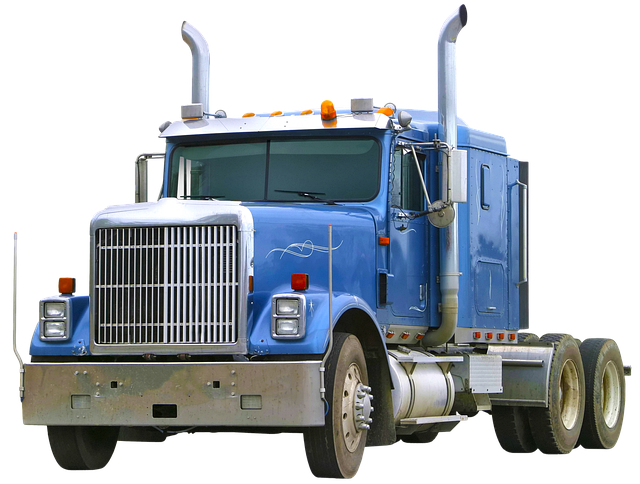
Registering a car in California involves several crucial steps to ensure compliance with state laws and regulations. Understanding the vehicle registration process is paramount for both new and existing vehicle owners. The California Department of Motor Vehicles (DMV) oversees this procedure, managing vehicle titles and registrations to maintain road safety and revenue collection.
The first step in the registration process is acquiring a Vehicle Identification Number (VIN) verification. This involves ensuring that the VIN on your vehicle’s title matches the one inscribed on its chassis. In California, you can verify the VIN through various methods, including mobile VIN inspection services that offer convenience and accuracy. A mobile VIN verifier can conduct this check at your location, saving time and effort compared to traditional DMV visits. This verification is essential as it establishes the legitimacy of your vehicle’s ownership and history, which is critical for insurance purposes and preventing fraud.
Once the VIN is confirmed, you’ll need to gather necessary documents. These typically include proof of identification, proof of residency, and proof of insurance. It’s important to ensure that all documents are up-to-date and meet the DMV’s requirements. For instance, your driver’s license or state ID card should be valid, and your insurance policy should comply with California’s minimum liability coverage standards. Failure to provide accurate or complete documentation can delay the registration process.
After completing these initial steps, you’ll need to visit a designated DMV office or use their online services to officially register your vehicle. The DMV will assign a unique registration number, issue a registration card, and update their records with your vehicle’s details. It’s advisable to retain all relevant documents for future reference, as they may be required during annual renewals or in case of vehicle transactions. By following these procedures carefully, California residents can ensure that their vehicles are properly registered, enhancing road safety and facilitating smoother interactions with state regulatory bodies.
Obtain a Vehicle Identification Number (VIN) Verification

Obtaining a Vehicle Identification Number (VIN) verification is a crucial step in the car registration process in California. This involves confirming the vehicle’s identity and history through a detailed inspection of its unique VIN. A mobile VIN inspection or verifier is an efficient, convenient solution for many residents, allowing them to streamline this essential task.
In California, it is mandatory to have your vehicle’s VIN verified as part of the registration procedure. This ensures that the car’s details match the information on record with the Department of Motor Vehicles (DMV). A mobile VIN inspection service offers a simple and effective way to fulfill this requirement. These services send a trained professional to your location, who uses specialized equipment to cross-reference the vehicle’s VIN with databases containing historical data. This process can uncover any discrepancies or potential issues, such as salvage titles or outstanding recalls, which could complicate registration.
For instance, consider a scenario where a California resident is preparing to register their newly purchased classic car. Instead of navigating the DMV and potential wait times, they opt for a mobile VIN inspection. A verifier will assess the vehicle, ensuring its historical data aligns with the buyer’s records. This swift and accurate verification can save valuable time and provide peace of mind. It’s advisable to choose reputable mobile VIN inspection services that maintain up-to-date industry standards and utilize reliable database sources.
Visit the DMV to Register Your Car

To register your car in California, you’ll need to visit a local Department of Motor Vehicles (DMV) office. This crucial step involves verifying your vehicle’s unique identification number (VIN) as part of the registration process. The VIN is a 17-character code that serves as a fingerprint for your car, making it essential for tracking ownership and ensuring safety standards. Upon arrival at the DMV, you’ll be guided through the registration procedure, which includes presenting necessary documents and passing a vehicle inspection, including VIN verification.
During the VIN inspection, a trained DMV official will check the authenticity of your car’s VIN by examining the plate and/or the vehicle itself. They may also utilize a mobile VIN verifier to cross-reference the provided information with national databases, ensuring accuracy and preventing fraud. It’s important to arrive at the DMV with all required documents, such as proof of ownership, vehicle identification papers, and current registration (if applicable). Should you be transferring ownership, additional forms and fees may apply.
If your car is a model year 2001 or newer, the VIN inspection is typically conducted on-site during your visit. Older vehicles might require an additional appointment for a safety inspection. In most cases, the process is efficient, and with proper preparation, you can streamline the registration experience. Remember, accurate VIN verification is not just a requirement but also ensures that your vehicle complies with California’s regulations, providing peace of mind for both you and the state’s authorities.
Post-Registration: Important Steps and Considerations

After successfully registering your vehicle in California, several crucial steps must be taken to ensure compliance with state regulations and maintain the integrity of your car’s history. One of the most critical post-registration considerations is confirming the Vehicle Identification Number (VIN) accuracy through a process known as VIN verification. This step is essential for both safety and legal reasons.
A common misconception among new car owners is assuming that the registration process includes a thorough VIN inspection. While California does require a VIN during registration, it’s not an official verification of the number’s authenticity or history. Here’s where mobile VIN verifiers come into play as a convenient solution. These portable devices allow you to cross-reference your vehicle’s VIN with national databases, ensuring its validity and checking for any reported issues or previous accidents. For instance, a 2018 study by the National Insurance Crime Bureau (NICB) revealed that nearly 4% of vehicles had discrepancies in their VINs, highlighting the importance of this step.
Post-registration, it’s advisable to conduct regular VIN inspections, especially if you frequently buy used cars or own classic vehicles. Mobile VIN inspection apps and services provide a straightforward method for owners to stay on top of these checks. By integrating this practice into your car maintenance routine, you can protect yourself from potential legal issues, insurance problems, or even fraud. Remember, a simple VIN verification could save you time, money, and future headaches.
By meticulously preparing required documents, understanding California’s vehicle registration process, obtaining a crucial Vehicle Identification Number (VIN) verification, and visiting the DMV, you can seamlessly register your car in California. Post-registration, remember key steps like ensuring proper insurance and maintaining up-to-date documentation for future reference. VIN verification stands as a critical component throughout this journey, underscoring the article’s emphasis on a comprehensive, authoritative guide to navigate California’s car registration requirements with ease and precision.